Purposely Missing the Point
Protecting power over healing

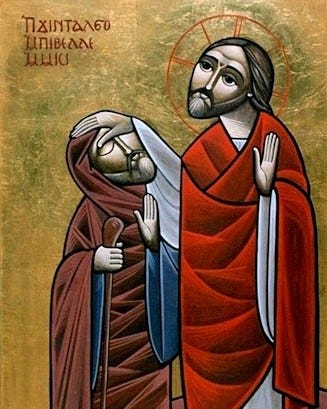
In Gospel days, people thought that if someone was born with a disability of some sort, it was because they or their parents deserved it through some sin. This was the case with the man born blind. He is reduced to begging, and Jesus chooses this moment to illustrate God's power by healing the man’s blindness.
Instead of celebrating this man’s newfound wholeness, some religious leaders want to argue about it. Who did it? Why did he do it? When did he do it? Did it really happen? They totally missed the point that this poor man, who had never been able to support himself, now has sight. It’s a miracle! They are so caught up in the desire to discredit Jesus that they look for ways to denigrate this healing. Their comfort with being seen as leaders was threatened, and they were scared.
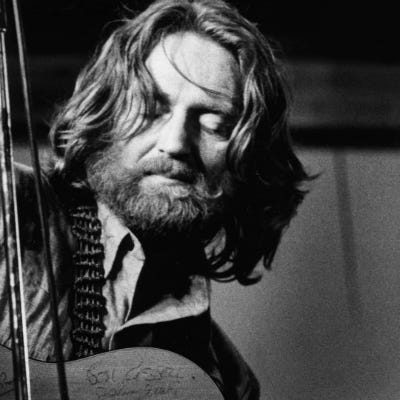
We have seen this situation repeated over and over. My dad used to say “Those who identify a problem, become the problem.” This meant that someone intent on repairing something is often ostracized as a troublemaker. Willie Nelson calls this out in his song aptly titled "The Troublemaker." He begins by saying, “I could tell from the moment that I saw him, he was nothing but the troublemaking kind.” He concludes his complaints about this man by saying, “They sentenced him to die, that’s no great loss. Friday they will take him to a place called Calvary and hang that troublemaker on a cross.”

Woody Guthrie also named this practice in his song “Jesus Christ,” repeating the line “They laid Jesus Christ in His grave” after each short verse about Jesus calling on the powerful to care for the powerless.
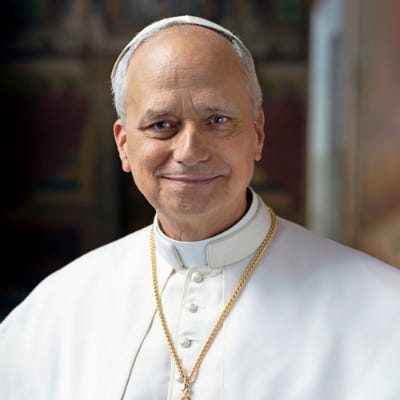
The powerful cannot risk having someone like that become too popular. This is occurring today. Pope Leo is publicly asking world leaders to cease fire and restore peace to areas experiencing death and violence. People are responding to his repeated requests with arguments, sometimes vile and nasty, instead of acknowledging the importance of peace. His motives are challenged, his right to speak out on this topic is criticized, and he becomes the object of hostility and ridicule. He identified a problem, called for a solution, and now he is considered the problem.
The man born blind rejected the attempt to discredit Jesus, doing so at personal risk. He celebrated Jesus for opening his eyes and defended him to the powerful religious leaders. Today, we must watch for attempts to disparage those calling for the protection of vulnerable, marginalized people. There are live humans whose lives are being upended by war, whose children are being killed, who are starving as a result of the actions of others. We must amplify prophetic voices and call out those who attack them to protect their own power. We can be as brave as the man born blind.
Powerful and thoughtful!
Loved this!